Just Jump

Harry Bingham, the Founder and CEO of Jericho Writers, makes a good point about the inertia we sometimes feel as writers.

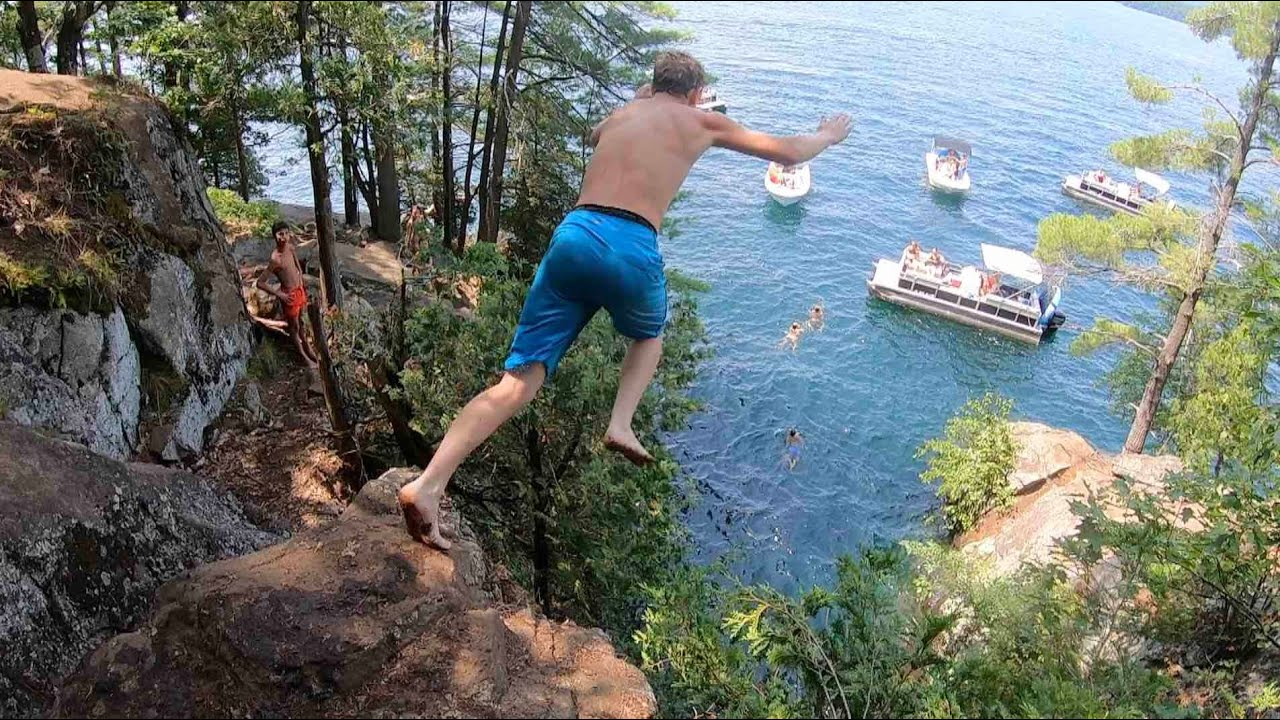
He says, “Just Jump!”

Harry says, “

Ray Bradbury, the author of Farenheit 451 and much else, was a fan of the future. A fan of boldness and technological adventure.  In an interview with the New York Times, he said, “If we listened to our intellect, we’d never have a love affair. We’d never have a friendship. We’d never go into business because we’d be cynical: ‘It’s gonna go wrong.’ Or ‘She’s going to hurt me.’ Or ‘I had a couple of bad love affairs so therefore …’ Well, that’s nonsense. You’re going to miss life. You’ve got to jump off the cliff all the time and build your wings on the way down.”  That cliff-jumper is you. It’s me. It’s all of us.  It’s certainly true for any first-time novelist. My first book was a giant 180,000 words long. (And yes, it went to print at that length. And no, it’s not a length that publishers are especially looking for. But if a book is good enough, the length is kinda immaterial.)  I was naïve. I literally had no idea that writing a book and getting it published might be hard. I just assumed I could do it, and would do it. My track record (Oxford University, fancy American bank) was one of achievement. I knew I liked reading. I’d always assumed I’d end up being an author. So: write a book – how hard could it be? I knew how to write a sentence, so just do that over and over, and I’d have a book.  Everyone receiving this email is less naïve. The tone of voice needed for a fast commercial adventure-caper was not the same tone as that had produced success in Oxford philosophy essays. Once I’d written 180,000 words, I looked back at the start and realised it was … ahem, in need of vigorous editing. The kind of editing that involved selecting 60,000 words and hitting Delete. So I deleted the rubbish and rewrote it. Wrote it better.   But:  That wasn’t a failure. It was the second most important step on the road to success. The most important was writing the first word, the first sentence, the first paragraph, the first chapter. The most important step is always the same: it’s jumping off the cliff in the first place.  Deleting 60,000 words was the next crucial step: acknowledging that what I’d done wasn’t good enough; that more work could fix it; that I needed to design and use some better wings.  But you don’t get to the better-wing-design stage until you’ve got to the plummeting-downwards-out-of-control stage. You need them both.  And honestly: the challenges probably get a little bit less as you write more books, get them published, get paid, learn the industry, build a readership. But each book is its own cliff – its own well of uncertainty.  As you know, I’m a huge believer in nailing an elevator pitch before you start writing. I don’t care about pretty formulations – I don’t mind whether you have the kind of phrase that would look good on a book jacket or movie poster. But a list of ingredients that would spark interest in a potential book-buyer? That’s essential.  But oh sweet lord, there is a huge gap between knowing that you have, in theory, a commercially viable novel and actually making it so. I have sometimes written books that flowed, start to finish, with no huge mid-point challenges, but those have been the exception. Mostly, there’s been a hole – a gap – a problem.  I’m not a huge fan of pre-planning novels in vast detail. (But do what you like: it’s whatever works for you.) The only way to find that hole is to leap off the cliff. It’s the flying through the air that tells you what wings you need.  So jump.  Be uncertain.  Jump anyway.  Take the biggest boldest leap you can, knowing that you don’t have the answers.  Just jump.  Jump knowing that your wings aren’t ready. They get born by jumping. Wings that surprise you and delight you and complete you.  So jump.  Good luck. And happy Christmas.     

Could AI Write a War and Peace?

In last Saturday’s Telegraph there was an article by Tom McArdle with the title “Waterstones chief: AI could produce the next War and Peace”.

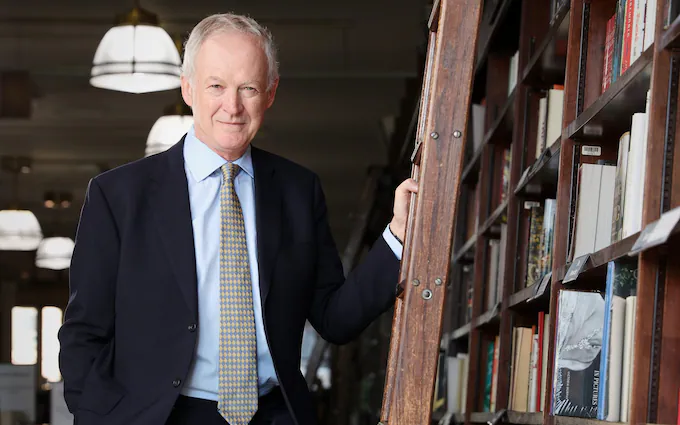
James Daunt, CEO, Waterstones and Barnes & Nobel

THE chief exec­ut­ive of Water­stones has said he is open to the com­pany selling books cre­ated by Arti­fi­cial Intel­li­gence, as long as they are clearly labelled.

James Daunt said it would be “up to the reader” whether to pur­chase them if they end up on his stores’ book­shelves.

There are major con­cerns from authors about the impact AI-gen­er­ated con­tent will have on the book industry, after a recent study found most writers feared their jobs were at risk from the tech­no­logy.

But Mr Daunt, who has been the CEO of Water­stones since 2011, told BBC’s Big Boss pod­cast that AI could pro­duce “the next War and Peace”.

“There’s a huge pro­lif­er­a­tion of AI-gen­er­ated con­tent and most of it is not books that we should be selling,” he said. “Hope­fully, pub­lish­ers avoid it; we as book­sellers would cer­tainly, nat­ur­ally and instinct­ively, dis­dain it.”

A Uni­versity of Cam­bridge study last month found wide­spread con­cerns from nov­el­ists about their jobs being replaced by the tech­no­logy and fears that work writ­ten by humans could become “an expens­ive lux­ury”.

In response, Mr Daunt said: “At the more lit­er­ary end I don’t see that being the case. There is a clear iden­ti­fic­a­tion of read­ers with authors, and book­sellers play an import­ant role in join­ing authors and read­ers.

“That does require a real per­son.

“As a book­seller, we sell what pub­lish­ers pub­lish, but I can say that, instinct­ively, that is something we would recoil [from]. It’s really import­ant that authors earn a liv­ing.”

Asked whether the high-street book­shop would sell AI books, he said: “We would never inten­tion­ally sell an AI-gen­er­ated book that was dis­guising itself as being other than that.”

When pressed on whether he would con­sider it if they were clearly labelled, he respon­ded: “Yeah, if it was clear what it was, then I think it’s up to the reader.

“Do I think that our book­sellers are likely to put those kinds of books front and centre? I would be sur­prised.”

He warned that given the exor­bit­ant sums of money being spent by tech com­pan­ies on AI, it was hard to know its lim­its.

“Who’s to know,” he said. “They are spend­ing tril­lions and tril­lions on AI and maybe it’s going to pro­duce the next War and Peace. If people want to read that book – AI-gen­er­ated or not – we will be selling it. As long as it doesn’t pre­tend to be something that it isn’t.”