There is an article, written by Bridget Collins, on the Writer’s Digest website dated 20 August 2024 with a title very similar too the above. It caught my attention because I have written one novel where I experienced the same feeling that the book was writing itself. That novel is Seeking Father Khaliq, which is the best novel I’ve written. I wanted to find out what Ms Collins experience was.
Bridget Collins is the international bestselling author of The Binding and The Betrayals. She is also the author of seven acclaimed books for young adults and has had two plays produced, one at the Edinburgh Festival Fringe. Bridget trained as an actor at the London Academy of Music and Dramatic Art after reading English at King’s College, Cambridge. She lives in Kent, U.K
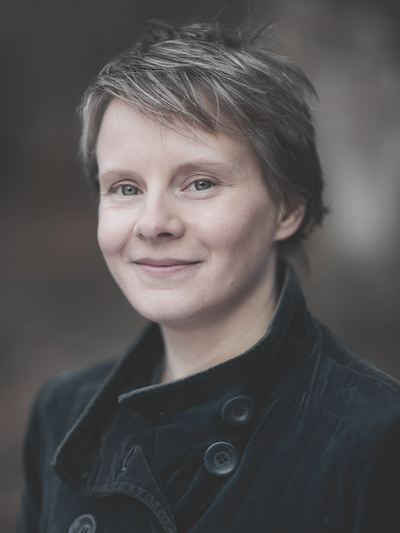
Bridget Collins
Ms Collins says, “I’ve been fascinated by the concept of silence for a long time, especially the way that it can be both a blessed escape from noise and a prison—I wanted to write a story that evoked that ambivalence and explored what it would mean to be able to control not only what you hear but what everyone else hears. The book is about silence as a luxury, as a magic spell, and as a weapon, but most of all it’s about power and seduction, and about how we become complicit in huge and terrible things—and about how we can try to put that right.
“I can’t remember exactly when I had the idea, but it would have been some time in 2019. Then I actually started writing in January 2020—so it took a long time to get from first draft to publication. And it went through three major redrafts, and changed an enormous amount—everything, from the central relationship to the narrative voice and the structure, changed! The only thing that stayed the same was the ending. It was probably the most difficult book I’ve written to date, with characters coming and going and taking an enormous struggle to pin down. But as I wrote and rewrote, the book began to take on a life of its own, and there was something quite magical about that.
“One of the most interesting and rewarding features of writing the book was working with an authenticity reader from the d/Deaf community. She was absolutely brilliant, and although I’d tried to do as much research as possible in advance of her input, it was really special to have the benefit of her experience and expertise. She had some fascinating insights into the characters and historical background of the book, and also made me think a lot about what I was saying in the context of d/Deaf culture and the current political conversations around that. Not to mention the obligatory moment of any editing process where someone points out something that should have been obvious and you cringe inside…!
“I think because this book was such a hard slog and I had to start from nothing over and over again, there weren’t many surprises—what seemed to happen was a very slow process of revelation and refinement. The book told me, over the course of those drafts, what it wanted to be; but it was like chipping away at a block of stone, watching it take shape inch by inch. That said, the biggest (and in some ways most exciting) change was the female narrator, who only began to speak for herself in the second draft, and then became more and more important.
“I would love it to transport my readers to a vivid, immersive world where they can watch a compelling story unfold—and if it stays with them after they come back to real life, that would be lovely too.”
I can confirm that there is something magical when the book begins to take control in your mind. I didn’t have Bridget’s experience with The Silence Factory of having major rewrites, because I had an idea of the two major characters, the setting and the issue between them. The book wanted the additional characters, and settings and plot. I had to do a lot of research to produce a credible story, but that was part if the fun.
 William Peace Blog