Does Detail Matter?

Jennifer Shoop has an article dared April 17, 2026on Writer’s Digest about why detail is important in writing. Jennifer Shoop is the creator of Magpie, the literary lifestyle publication and platform that inspires women to live thoughtful, well-curated lives, inviting self-discovery. Magpie features a daily blog with an engaged readership covering a wide range of lifestyle topics, including motherhood, friendship, love, literature, and beyond. Jennifer holds an advanced degree in literature from Georgetown University and resides in Bethesda, Maryland, with her husband and two children. Her debut book SMALL WONDERS: A Field Guide to Life’s Joys is available wherever books are sold.
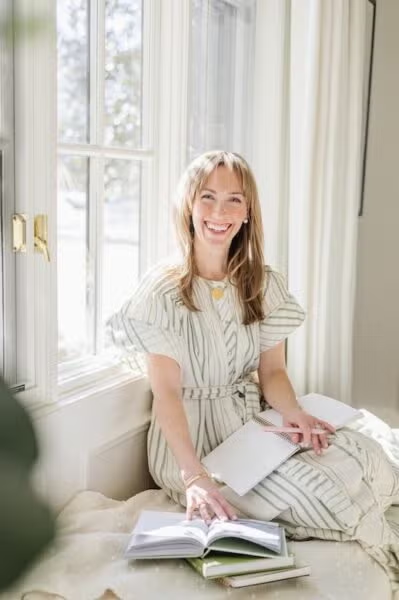
Jennifer Shoop

Jennifer says, “I am disciplined as a writer. I treat my writing like a 9-to-5 job, and I show up daily, determined to shake hands with the empty page no matter how hungry for sleep or depleted of inspiration I am. I do this because the only way to shrink the maddening gap between my aesthetic ambition and my current ability is to try over and over again.

Writing is, after all, a practice. No one is born a good writer; we work at this by listening, observing the techniques of others, laminating, red-lining, going back to square one, drafting badly and then well and then badly again, finding the right word, shedding the wrong one, understanding that all of it is a thinly-veiled search for self-knowledge. The blinking cursor is, then, like a call to the start line: a chance to limber up, strengthen muscle, fine-tune the hook shot.

However, even though I treat writing like a vigorous exercise, I find it difficult to the point of debilitating to focus on broad-trunk elements like structure and format and theme. These almost always emerge for me in the process of writing, and are the result of editing after I know what I’m writing about. I find it much clearer to approach the page wearing an aptitude for detail. I might not yet know the shape of the essay or the arc of the story, but I can dial in on the fulcra of word choice and imagery and manipulate those with care, and then watch as tiny ecosystems of thought and feeling expand, moss-like, around them, and almost without effort. A well-chosen phrase is like a seed watered and left to bloom on its own.

And I think this is for a few reasons, some technical and some abstract. The first is that when I am straining for a specific detail, I find that I sieve out the inessential, and leave readers with just what they need. Strangely, perhaps, the more exacting the example, the more accessible the writing becomes. Perhaps this is because we leave less room for doubt or improvisation on the part of the reader. We tell them about the blue room with the salt-stained paint and the patchwork quilt and the gardenia and grief in the air, and they follow us to that room with those credentials. They sit with us there and cry or watch the weather in the window or finger the quilted coverlet.

I also believe that readers implicitly trust a detail. Mary Oliver may never have seen a starling or a hummingbird or a flicker, but the way she writes about those birds, with eggshell-delicate anthropomorphosis, it is nearly impossible to doubt her. (Of the flicker, in her fantastic poem “Spring,” Oliver writes: “My, in his / black-freckled vest, bay body with / red trim and sudden chrome / underwings, he is / dapper.” Can there be any question as to her creative authority on this bird? I feel I am watching it with her, charmed equally by its dashing figure and Oliver’s silhouette of it.) There is a sense, then, that the more specific the prose, the more trustworthy the writing becomes. There is a proximity to truth or at least to the lived experience of something that feels like it, and this is important, because we can paddle a long way out on a good rapport with our readers.

From a more technical standpoint, good, round writing is attentive to the rhythm and mouthfeel of each sentence, which are only malleable if we are hyper-specific with diction. Do the words jangle like the cut of keys, or do they chime gently against one another, wind-blown and wandering? Do they trickle-trackle like creekwater, or do they stand still in the cold earth? The singular way I’ve learned to play in that soil is by studying each word carefully and asking for or rejecting alternates. The process is like sifting through paint swatches: that one reads a little too blue; this one is too on-the-nose.

I make a game of word acquisition for this purpose. I love to thumb through writer’s dictionaries and will reference technical literature (for farm equipment, for astrophysics) if an analogy calls for it. You would not believe the broad play spaces I have found at the rainbow’s end of these hunts for the specific, the way a highly technical term like Gamma Velorum (a quadruple star system in the constellation Vela) can draw a plain-clothed sentence into the musical and luminous. So the specific is about sound, too, about how loudly or quietly or cacophonously or melodically it can set the word echoing.

Finally, from the writer’s side, and perhaps this is laziness in fine clothing, I find it a tremendous relief to know that my task is to write earnestly from the narrow aperture of my own small straits. I am not aspiring to write about gods or the gates of horn and ivory, of which I know nothing. But I can, with care and focus, unearth the godliness in my own backyard: the Angelus of the sunup bird, the canticle of the crepe myrtles that bloom in June in my Maryland suburb.”

It’s about being a clever wordsmith!

Post publication alteration of books

There was quite a long article in the April 12 edition of the Sunday Telegraph which discussed in detail the alteration of children’s E-books without readers, of even the authors being aware of the changes. I am not able to find the original, which was quite critical of publishers. Instead, there is a shorter version which I found on PressReadeer.com which includes some of the original text written by Liam Kelly. I quote from the shorter version below. The full length version has disappeared, and does not even appear in his list of Telegraph articles – perhaps because publishers objected to it.The original title was “Publishers are altering children’s books on the sly”.

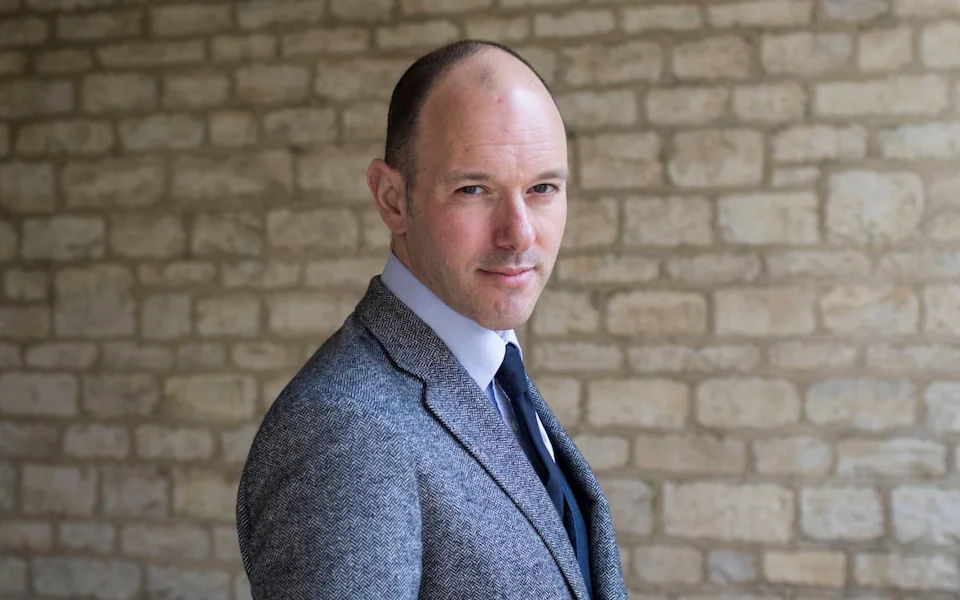
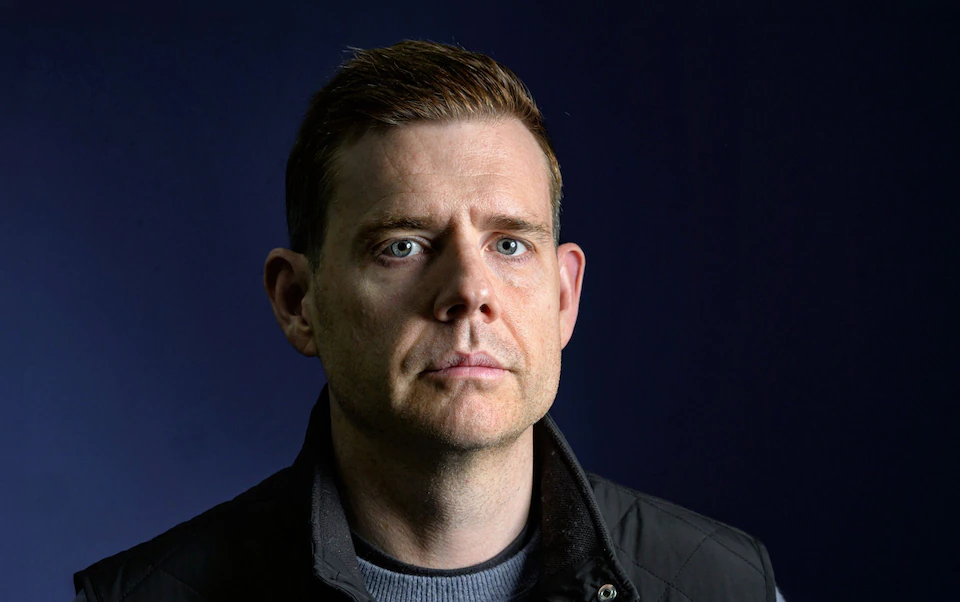
Liam Kelly is a senior culture writer and covers the full sweep of arts and entertainment, from literary prizes to Eurovision. He reported live from Oasis’s reunion gigs and played The Traitors on location in Scotland with Claudia Winkleman. Liam has been shortlisted for a number of awards. He has even won a few.

Liam Kelly

“Updated edi­tions of nov­els have been around for almost as long as books have been prin­ted en masse. Many print edi­tions will include details such as when a book was first pub­lished, and when the edi­tion you are read­ing was prin­ted; some will say whether any­thing has been changed, giv­ing read­ers a heads-up. And every­body knows, thanks to a 2023 Tele­graph exposé, how Roald Dahl’s work has been severely bowd­ler­ised.

But in the era of the E-book, nov­els sud­denly seem wor­ry­ingly fun­gible. They live in a cloud com­put­ing sys­tem; they can be tweaked at any time, for any reason, without you – the reader who bought the book – being aler­ted.

“I do tend to think that once something’s been writ­ten, that’s what it is and it’s what we should accept,” says David Fick­ling, the founder of the eponym­ous chil­dren’s pub­lisher, whose authors include Philip Pull­man. He’s scorn­ful of pub­lish­ers who try and – as with the cack-handed Pretty Little Liars edits – fail to get down with the kids. “We all make the mis­take of overthink­ing that we know what chil­dren want,” he says. “We can remem­ber what we wanted when we were chil­dren. I can remem­ber what I wanted, but that’s not the same as what an eight-year-old wants now.”

Industry sources say that any updates would usu­ally be done in agree­ment with the author. But that isn’t always the case. RL Stine – who wrote the mul­ti­mil­lion­selling Goose­bumps series of hor­ror nov­els – reacted with, well, hor­ror when it was revealed in 2023 that his work had been “san­it­ised” without his input. In Dahl style, one fat char­ac­ter went from being “plump” to “cheer­ful”; “crazy” became “silly”; a char­ac­ter who was described as hav­ing “at least six chins” turned into one who was “at least six feet six”. And the text was also silently made con­tem­por­ary: a Walk­man was replaced by an iPod, lest read­ers be flum­moxed by the idea of a cas­sette.

Lois Duncan, the author of the 1973 best­seller I Know What You Did Last Sum­mer, had in the years before her death in 2016 made some such revi­sions her­self. “I loved going through the nov­els,” she said in 2010, “and giv­ing the char­ac­ters cell phones and com­puters, and chan­ging their clothes so they were no longer wear­ing poly­es­ter pant­suits. And of course I changed the dia­logue slightly so that it soun­ded more con­tem­por­ary.”

Jonny Geller, the chief exec­ut­ive of the lead­ing lit­er­ary agency Curtis Brown, tells me that he doesn’t like this habit of ret­ro­spect­ive book fid­dling. “Even a novel set in the 1990s should be accur­ate,” he says. “How are we ever going to look back and know what it really was like to live in that time, if we keep try­ing to go after the atten­tion span of a very young per­son who doesn’t know much?”

Geller points to the surge in pop­ular­ity for David Nich­olls’s 2009 novel One Day, after Net­flix released a 2024 TV adapt­a­tion that remained faith­ful to the book’s ori­ginal 1990s set­ting. The novel, he says, had been “a big suc­cess among young people. I think they rev­elled in the period before phones and email. So I think it’s pos­sible to attract young read­ers… to fic­tion that’s older than 20 years and not have to update it.” To do oth­er­wise, he adds, is “pat­ron­ising, and actu­ally quite dam­aging about our per­cep­tion of pre­vi­ous gen­er­a­tions and the world they lived in”.

For some authors, the changes are per­sonal. Stephen King released a “com­plete and uncut” edi­tion of The Stand in 1990, 12 years after the post-apo­ca­lyptic fantasy was ori­gin­ally pub­lished. Partly, this was because King’s pub­lisher had ori­gin­ally cut 400 pages from his manuscript; by now, he was an apex nov­el­ist and could rein­state large parts of the book. But he also took the oppor­tun­ity to shift the set­ting from 1980 to 1990, and made ref­er­ence to the Aids pan­demic and Madonna hits.

And in some lit­er­at­ure aimed at young adults, the changes are even use­ful. Take Are You There God? It’s Me, Mar­garet, Judy Blume’s much-loved com­ing-of-age novel. It was first pub­lished in 1970, and much of the story centres on the anxi­et­ies of a girl in early adoles­cence; she deals with her first peri­ods by using belts with san­it­ary nap­kins, which were com­mon at the time. After the advent and pop­ular­isa­tion of adhes­ive pads in the 1980s, Blume decided to update the book to reflect the change in real-world con­sumer habits, so as not to con­fuse or ali­en­ate future audi­ences.

Then again, there are times when this sort of tinker­ing badly back­fires. In 2010, Hachette made a great show of “sens­it­ively and care­fully” updat­ing Enid Blyton’s Fam­ous Five nov­els in order to make them “time­less”.

Blyton’s 1940s ref­er­ences to “house­mis­tress”, “awful swot­ter”, “mother and father” and “school tunic” became “teacher”, “book­worm”, “mum and dad” and “uni­form”, respect­ively. Even “jolly japes” was con­sidered a term too obscure for mod­ern chil­dren to grasp, while Anne’s “dolls” became “ted­dies” – lest she be seen as being too girly.

But they may have under­es­tim­ated young read­ers – or the par­ents and grand­par­ents buy­ing the books. Six years later, the pub­lish­ing house was forced to con­cede that the new ver­sions “didn’t work”. With the excep­tion of some “offens­ive” (ie racist) terms, they rein­stated Blyton’s prose as she had writ­ten it.”

While there may be a financial incentive for a publisher to alter a novel, at least they should obtain the author’s permission!

Writers, leave AI alone!

There is an article in yesterday’s Telegraph by Cal Revely-Calder with a title similar to the above, which, for once, puts the shoe on the other foot. Instead of complaining about AI invading the creative space, it objects to those who admit AI to the literary space.

Cal Revely-Calder is the literary editor of the Telegraph.

He said, “Self-respect, Joan Didion once wrote, cannot be faked. It depends on “a sense of one’s intrinsic worth”. You can pretend or lie or dissemble if you want to boost your reputation, but in the end you’ll always lack “what was once called character”.

This thought occurs to me whenever – and these days it’s pretty often – I see someone in the literary world stand accused of secretly using AI. Recently, for those alleged sins, the novelist Mia Ballard has had her second book pulled from shelves; the politician Matt Goodwin has had his state-of-Britain polemic castigated; and the critic Alex Preston has had a book review near-disowned by the New York Times.

Alex Preston

All three have confessed to some degree of AI use and, to me, none of the confessions are good enough. Ballard blamed a human editor she had hired to revise her novel, though you might expect a novelist to check her own final draft. Preston blamed himself, claiming he had been struggling to meet the NYT’s demand – a modest 1,000 words – and, in desperation, had resorted to help from AI, which plagiarised a piece in the Guardian. Again, Preston seems not to have checked.

Goodwin has been more defensive. Confronted by critics who claimed that his new book, Suicide of a Nation, was full of ersatz quotations, dubious claims and incorrect facts, he retorted that the detractors were partly wrong and partly missing the point. After all, his core thesis – that migration is destroying Britain  – was untouched; some “errors and typos” were inevitable if you self-published to avoid the “woke” publishing industry; and his opponents were “Lefties and losers” anyway. Goodwin insists that he was working from notes and did not use AI to write one word, merely (as he wrote in the Spectator) “to interrogate data”.

Matt Goodwin, academic-turned-politician, has admitted using AI ‘to interrogate data’ for his new book Suicide of a Nation Credit: Paul Cooper

But even if we believe him, and charge only Preston and Ballard with subcontracting their work to AI, something in the culture is clearly amiss. To use an AI tool may be wise if your job involves crunching data sets or summoning figures – though you would be advised to check the robot’s homework – and it is probably true that, in such empirical areas, its use will become society’s norm. To use such a tool if your job is to write, whether creatively or critically, misunderstands your brief. Writing is thinking. They are inseparable processes. Circumvent them and you may as well not have bothered. Readers are human beings, and they want human thoughts and feelings to be expressed.

This applies, to be clear, to non-fiction as well as fiction. Short of being a pure list of dates or statistics, any book of any genre requires a guiding intelligence. Writing and reading are parallel ways of touching another mind, another soul. That is what you, the reader, are doing now. People can use AI for computation or research, but if they use AI to write one per cent of their work, as Ballard and Preston certainly did – and, again, Matt Goodwin strongly denies it – they have abrogated one per cent of the essence that makes them a human being. Morality confers on us basic obligations; one of those is treating humans, ourselves and others, as creatures worthy of dignity. To filter yourself through a robot that cannot “know” anything, that just blends other people’s books into an oracular mulch – the plagiarism device on your phone – is to insult everyone involved.

You may think this sounds moralistic. Well, good. Publishing, like fast food or arms manufacturing, is an industry, and it will function amorally, by supply and demand unless someone takes the trouble to care and shape what it does. Hence we need people – editors, booksellers and, yes, writers – to preserve, for no reason greater than feeling and taste, the human element.

Without that preservation – and corners of Amazon already look this way – AI-created writing will extract and remix the real thing, then remix itself, in an ouroboros of slop. We will be drawing on data, past tense, to generate the future, and that way stagnation lies. Genres will calcify; mistakes will multiply. And the tide is rising. Talk to anyone behind the scenes, from agents to publishers, and you will hear that AI-written submissions are pouring onto their desks. The literary agency Curtis Brown complained last week that harried agents were, in turn, feeding submissions into ChatGPT to give them summaries, without the writer’s consent.

But that is the cost of convenience, the ruling lifestyle of our age. Why do anything difficult, complex or slow when you can get a machine to do it on your behalf? If this question seems genuine to you, and you are a writer, please stop. Do literally anything else. Because good writing is extremely difficult. Ask any novelist or critic worth their salt. It involves introspection and false starts and revisions, and interventions from editors, at least if you want to do it well; and the final product will comprise, however half-remembered and half-buried, every single one of those things, alchemically changed into something new – something, you hope, now worth the attention of someone else.

Preston, at least, seems repentant, though it is a mystery to me why anyone would cheat on a book review. Such pieces cannot be written en sufficient masse to earn you a living, no matter how much AI you use, and I say that as one of the few people left commissioning them. Ballard, for her part, has gone prudently silent. Goodwin has kept raging online; you can form your own judgment of him.

In the meantime, these writers’ varying fates, as with those who come next – and there will be more – should stand as a warning to the literary world. If writing is just a product to you, just the sum total of stuff you add together to form other stuff, then it might as well be done by AI, for what difference does it make? Writing becomes mere information, data, flat and lifeless, smoothly and efficiently recombined. But if it is more than that, as I hope for most people remains the case, keep it out of your books. Have some self-respect.”

I agree!

Short Story vs Novel

Jan Carlson has an article on the RTE website dated 26 March 2026 which is about short story writing, but she generalises her advice so that it applies equally to novel writing.

Jan Carlson

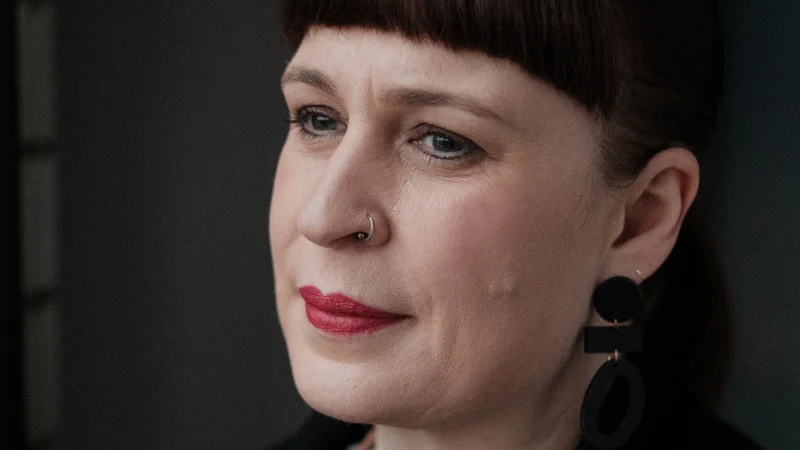
Jan Carson is a Belfast-based writer who has published four novels, three short story collections and two micro-fiction collections. Her novel The Fire Starters won the EU Prize for Literature for Ireland, 2019. The Raptures was shortlisted for the An Post Irish Novel of the Year and Kerry Group Novel of the Year. Her writing has aired on BBC Radio 3 and 4 and RTE and has been translated into twenty languages worldwide. Jan was the Seamus Heaney Centre Fellow at Queen’s University Belfast in 2025 and is a Fellow of the Royal Society of Literature. Her latest novel, Few and Far Between is published in April 2026.

Jan said, “As a writer of both novels and short stories, I’m frequently asked, “how do you know whether an idea wants to be a short story or a novel?” It’s never a question I need to ask myself. With each new project I’ll instinctively know what particular form the story wants to take.

A novel’s its own peculiar beast; wide-ranging, occasionally meandering, a sum of many parts, like a long walk through a densely populated city where there’s much to observe and much to distract. A short story’s more like sitting on a bench, or pulling up a seat outside a café to take a snapshot of all that’s available in this moment, through a very limited lens. As I write this, I’m well aware that some of my favourite short stories wilfully and gloriously defy this definition. They’re wide-ranging, meandering, distracting delights. The first rule of writing is you should never trust the writer who tries to tell you there are rules. (Amen!)

The best short stories often feel like they’re subverting the rules or pushing the boundaries of what the writer can get away with. I often find my crazier, more outlandish concepts are explored in the short story form simply because it’s easier to maintain the suspension of disbelief for a handful of pages, rather than the enormous word count a novel requires. Because of this, I’m always enamoured with a short story which is willing to take risks both thematically and stylistically. I enjoy a story with notions. I don’t mind being knocked for six.

I’m also a fan of carefully drawn characters. I have no time for tropes or cliches, but a character who is intriguing, unique and, above all things, believably rendered on the page, is often the one aspect of a short story which lingers with me after I’ve finished reading. Believability’s a deal maker or breaker for me as a reader. I don’t mind if your plot’s outlandish and your characters are a little unhinged, but if I can see -and it’s usually painfully obvious- that you don’t believe in the essential realness of the story you’re bringing to life, then it doesn’t matter how eloquent your writing is, or how many hooks you’ve woven into your narrative, I’m afraid you’ve probably left me cold. (fair point!)

Which brings me, finally, to voice. The key to unlocking a brilliant short story is capturing an authentic, and ideally intriguing, voice. In a radio context, I particularly love it when a story’s voice feels as if it’s conspiring with me, telling me something candid and confessional, only intended for my ears. I spend a lot of time reading my own stories in progress out loud to myself, just to ensure the voice is spot on.

Now, I’d love to say, if you follow these rules, you’ll create the perfect short story – but writing’s a contrary pursuit. So, instead I’ll say, ignore the rules. Write from the guts. Take all the risks. Scare yourself, if you can. Once you’ve finished, you’ve only just started. Edit like you’re excavating for treasure buried beneath the muck. Take comfort in the knowledge that there’s at least one story you alone are equipped to tell.” (Brava!)