In her interview with Robert Lee Brewer of Writer’s Digest on 19 July 2026, Julie Burtin says that time is an underrated ingredient in the creation of a novel.
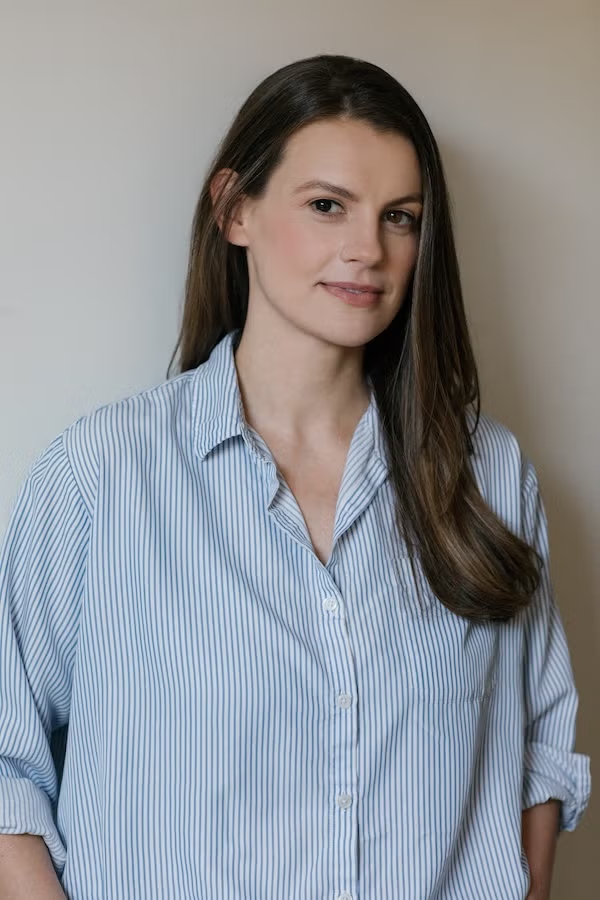
Julie Burtin
Julie Buntin‘s debut novel, Marlena, was a finalist for the National Book Critics Circle’s John Leonard Prize, released in 10 territories worldwide, and named a best book of the year by over a dozen outlets, including The Washington Post, NPR, and Kirkus Reviews. She is the co-editor of Notes to New Mothers, a collection of dispatches from postpartum life by sixty writers and artists. Previously, Buntin was an editor and director of writing programs at Catapult. Now, she writes and teaches in Ann Arbor, where she is an assistant professor at the University of Michigan.
What prompted you to write this book?
I was haunted by a lot of experiences from my girlhood and early adulthood, particularly moments when, instead of standing up for myself, I’d chosen instead to make myself smaller. I grew up with an absent father and was interested in tracing the way not knowing the answer to such a formative question about one’s identity—where do I come from?—might turn a young woman into a seeker, and how easy it would be for her to look for the answer in all the wrong places.
In the post #MeToo landscape of 2019, I was also still processing the fact that my professional life was built upon affiliations with institutions, many of which hid a rotten man or several at their core. As a writer, I’m really drawn to things I can’t make sense of, experiences I’ve had or things I’ve observed that have some unresolvable contradiction in them. I came to this book from that place, trying to parse what it meant to have been in some ways complicit in the same structures that held me back.
How long did it take to go from idea to publication? And did the idea change during the process?
About seven years. I started the novel in May of 2019 and it’s out this summer. It was in production for the last year-ish, so that’s about six years of writing, with some long breaks after the births of each of my children. Those breaks were an interesting part of the process with this book—I found that when I returned to the novel, it felt like something another me had written, which made it easier to do big, transformative revisions along the way, including adding a middle section from the perspective of a peripheral character that I then cut after my second kid was born. The general shape of the book stayed pretty consistent over time, but how I approached it underwent a ton of change.
Were there any surprises or learning moments in the publishing process for this title?
It’s been interesting to learn how much the publishing industry has changed since I last published a book in 2017. There are far fewer outlets for reviews, and traditional media coverage seems harder to crack than ever. But it’s been heartening to see how much fascinating, smart discourse there is about literature online, particularly on Substack. I have been (truly) living under a rock in the Midwest with only infants and grad students for company for some time, and when I joined Substack a couple of months ago I had a digital version of the feeling I used to get in NYC at good book parties. A sense of having stumbled into the most interesting conversation around.
Were there any surprises in the writing process for this book?
I was surprised by how long it took, and how much motherhood and teaching slowed me down, while also adding new dimensions to how I think about fiction and writing and life.
What do you hope readers will get out of your book?
Will is a character who makes frustrating decisions, particularly about her relationships with men and her sense of her own value. As I wrote I tried, as much as possible and to the extent that it made sense for the characters/story, to steer toward complexity, nuance. I hope that the book provokes reflection, strong reactions, conversation. That it’s the kind of text that you want to discuss with someone else—that in the things it leaves unresolved, it forces the reader to come to new and perhaps surprising conclusions.
If you could share one piece of advice with other writers, what would it be?
Time is an underrated ingredient in the making of a novel; I’m not talking about internal time, the clock that composes the architecture of the book (though of course that’s crucial), I’m talking about the time of writing it. How long it takes, how much life you live as you undergo it, and how you change, also changes the book. Some books need more or less time—try to honor that, and be patient with yourself and your project if you find you’re embedded in something that needs more of your life to work itself out.

